What does it treat?
Localized chest fat.
It does not reliably remove firm glandular tissue or tighten substantially loose skin.
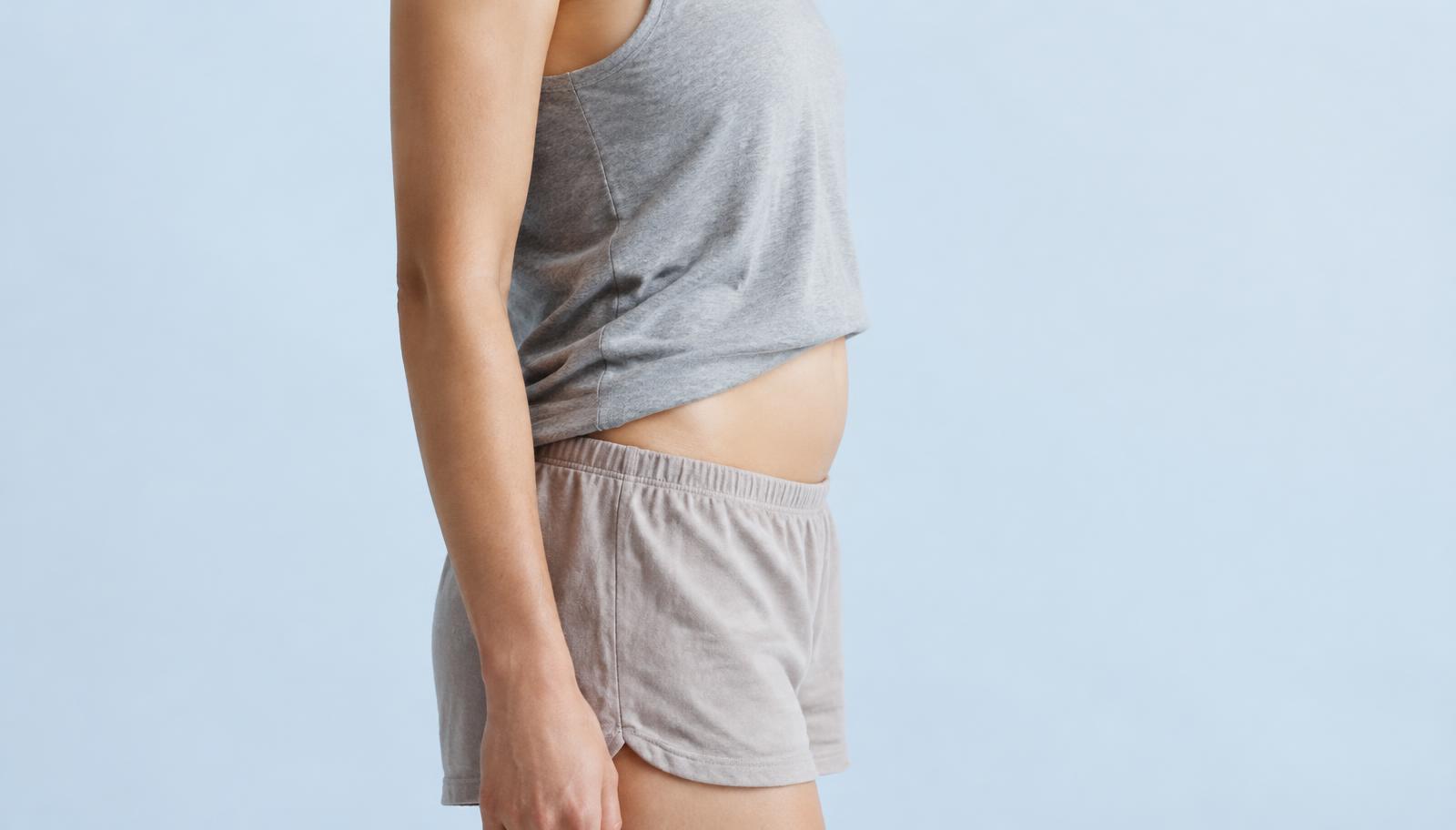
Chest contouring
Chest liposuction removes localized fat through small incisions to reshape the chest when skin elasticity and tissue type make it appropriate.
What does it treat?
Localized chest fat.
It does not reliably remove firm glandular tissue or tighten substantially loose skin.
Is it gynecomastia surgery?
It can be one part of that surgery.
Gynecomastia means enlarged male breast gland tissue. Treatment may require tissue removal rather than liposuction alone.
When can I return to work?
Some people return to desk work within several days to two weeks.
Timing depends on the treatment extent, symptoms, and job demands. Returning to work does not mean healing is complete.
01 · Overview
Chest liposuction uses a thin tube called a cannula to remove fat through small incisions. It is a contouring procedure, not a treatment for obesity. The amount and location of fat, skin elasticity, and your goals help determine whether it is a reasonable choice. [1]
A full male chest may contain fat, enlarged breast gland tissue, or both. Liposuction addresses fat; firm tissue beneath the nipple may need surgical excision. Excess skin may also need removal, which creates different scars and a different recovery. [2]
Your surgeon should examine the chest rather than assume all fullness is fat. New enlargement, a distinct lump, nipple discharge, or one-sided changes may need medical evaluation before any cosmetic treatment. [3]
Chest liposuction removes fat without routinely removing gland tissue or skin. Breast reduction usually removes a combination of tissue and skin and may reposition the nipple. These are not interchangeable operations.
Exercise can improve fitness and muscle definition, and weight changes can affect chest fat. It cannot selectively remove fat from one area or eliminate enlarged breast gland tissue.
02 · Concerns & Goals
You may notice chest fullness or a shape that feels out of step with the rest of your body. A consultation can help explain what is causing it.
Localized fat may remain even when your weight is stable. An examination helps determine how much of the fullness is fat.
Fullness beneath the nipple may come from gland tissue, fat, or both. Liposuction alone may leave this concern unchanged.
Differences between sides may involve fat, muscle, ribs, or breast tissue. Not every source of asymmetry can be changed with liposuction.
Skin may not shrink enough after fat removal. If looseness is a main concern, your surgeon may discuss skin removal or a different approach.
03 · Options
The right approach depends on whether the chest contains mainly fat, gland tissue, loose skin, or a combination. Discuss these possibilities with your surgeon.

Removes localized fat through small incisions.
Addresses both fat and enlarged gland tissue.
Addresses excess skin as well as underlying fullness.
Allows time to clarify new changes or stabilize weight.
Liposuction and gland excision treat different tissues. The operation should match the examination findings rather than a technique name alone. [1] [2] [3].
Some surgeons use ultrasound or other energy-assisted tools during liposuction. These do not replace a careful assessment or guarantee tighter skin. Ask why a particular method is recommended and whether it adds risks such as burns.
Liposuction alone generally does not surgically reposition the nipple. Significant drooping may require skin removal and nipple repositioning, making the procedure different from liposuction alone.
04 · Results
A reduction in localized fat may create a flatter chest contour.
A perfectly flat or symmetrical chest cannot be promised.
Contour changes can be long-lasting when weight remains stable.
Swelling can hide the early contour. Assessing the result usually takes several months, and loose skin may persist. [1]
05 · Recovery
Returning to work does not mean fully healed. Follow your surgeon’s instructions; strenuous activity requires clearance.
Recovery varies with the amount treated and whether gland or skin removal is added. Your surgical team's instructions take priority over general timelines.
Step 1 · Day of surgery
You will be monitored after the procedure. Many patients go home the same day; arrange transportation and help as directed, especially after sedation or general anesthesia.
Step 2 · First several days
Soreness, swelling, bruising, and temporary numbness are common. Your team will explain wound care, medication use, and whether a compression garment or drains are needed.
Step 3 · Following weeks
Comfort and mobility usually improve gradually. Desk work may be possible before lifting or chest exercise. Activity clearance depends on your examination and the work performed.
Step 4 · Over several months
Swelling continues to settle and scars mature. Follow-up visits help assess skin adaptation, persistent firmness, and contour concerns.
These are planning guides, not activity clearance. Returning to work does not mean the chest has fully healed.

A compression garment may be recommended, but fit and duration depend on the operation. Massage is not appropriate for everyone. Use either only as directed by your surgical team.
Some uneven swelling can occur, but sudden enlargement, increasing one-sided pain, or a tight expanding area needs prompt contact with your surgical team. Do not assume every change is normal healing.
06 · Safety
Temporary soreness, bruising, swelling, numbness, and firmness can occur. Small incision scars remain and usually change over time. Symptoms should generally improve rather than become progressively worse.
Blood or fluid can collect beneath the skin and may need drainage or another procedure.
Infection or wound breakdown may require treatment and can affect scarring.
Asymmetry, rippling, indentations, or remaining fullness may persist and sometimes require revision.
Numbness, altered sensation, discoloration, or troublesome scars can persist. Skin injury or burns are possible with some techniques.
Cannula injury to deeper structures is uncommon but can be serious. Added gland or skin removal carries additional tissue-healing risks.
Anesthesia reactions, blood clots, fat embolism, and heart or lung complications can occur and may be life-threatening.
Discuss these risks and your individual health history with your surgeon. [1]
07 · Costs
Compare written estimates for the same planned scope: chest liposuction alone is different from surgery that also removes gland tissue or skin.
Surgeon
The surgeon's care and the planned chest procedure.
Ask your surgeonAsk whether the quote includes gland or skin removal and how revision care is handled.
Facility
Anesthesia services and use of the operating and recovery facilities.
Ask your surgeonAsk who bills separately and whether the planned anesthesia and operating time are included.
Supplies
Potential garment, dressing, medication, testing, and follow-up expenses.
Ask your surgeonAsk which items and visits are included and which may create separate charges.
TRC
Any separately offered scheduling or care-coordination services.
Ask TRCAsk whether these services are optional, what they include, and whether a separate fee applies.
Your written estimate should explain the services included, any separate charges, and payment terms.
08 · Questions
Cosmetic liposuction is generally not covered. Coverage rules for medically indicated breast surgery differ. Ask your insurer about your diagnosis, planned procedure, and any authorization requirements.
Yes. Liposuction leaves small incision scars. Gland excision or skin removal creates additional scars, whose placement and visibility depend on the operation and healing.
Remaining fat can enlarge with weight gain. Liposuction does not prevent gland enlargement related to medications, hormones, or other causes.
It may help if fat is the main cause. Firm gland tissue beneath the nipple may require excision. Your surgeon should explain what liposuction alone is likely to leave behind.
0 consultation questions in your plan
View in My TRC workspaceMy Aesthetic Plan
Bring these to help your consultation:
Choices stay in this visit until saving to your account completes. Nothing is sent to a clinician.
Photographs are illustrative scenes, not patients, staff, facilities or outcomes. This information does not replace a personal assessment by your treating clinician.